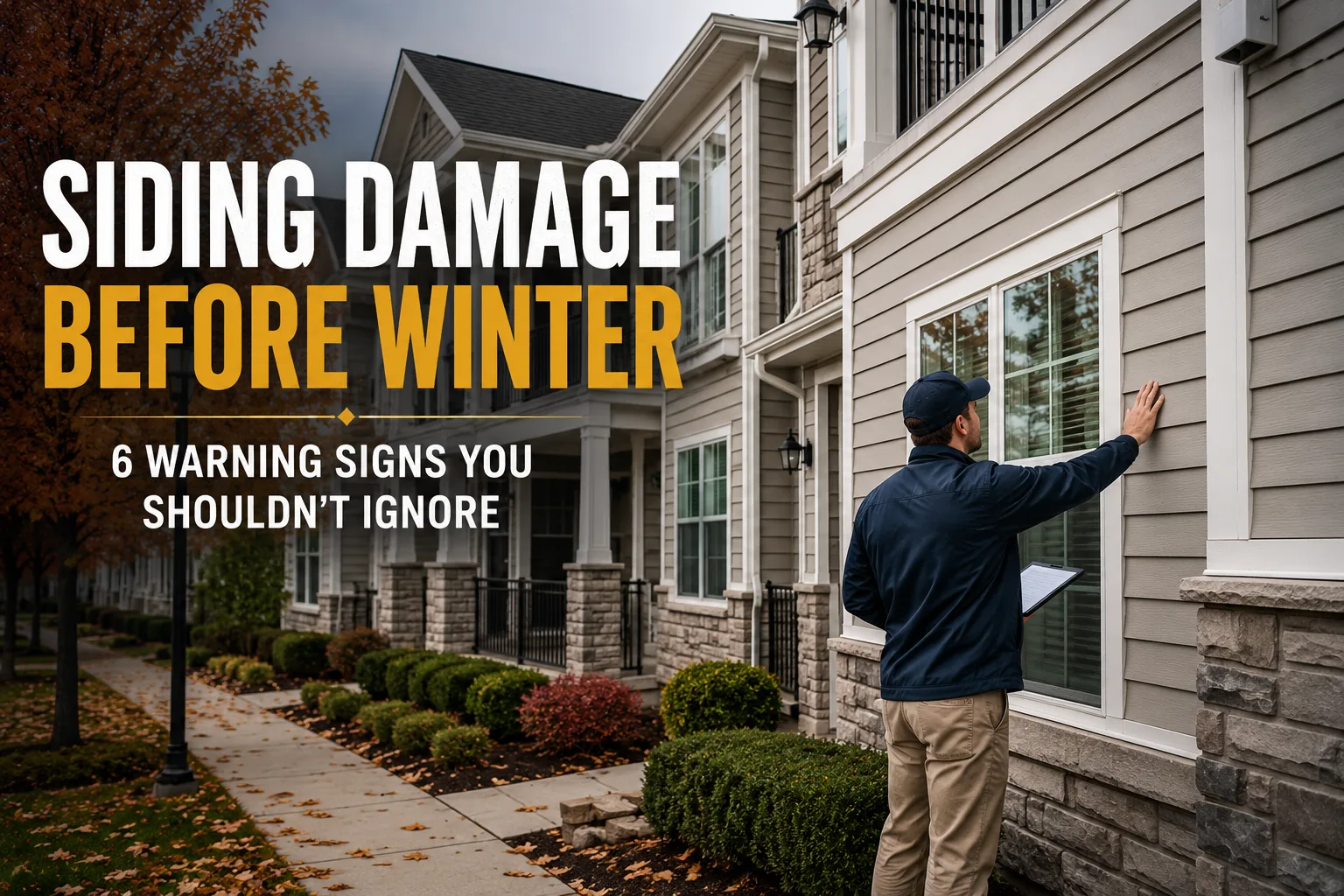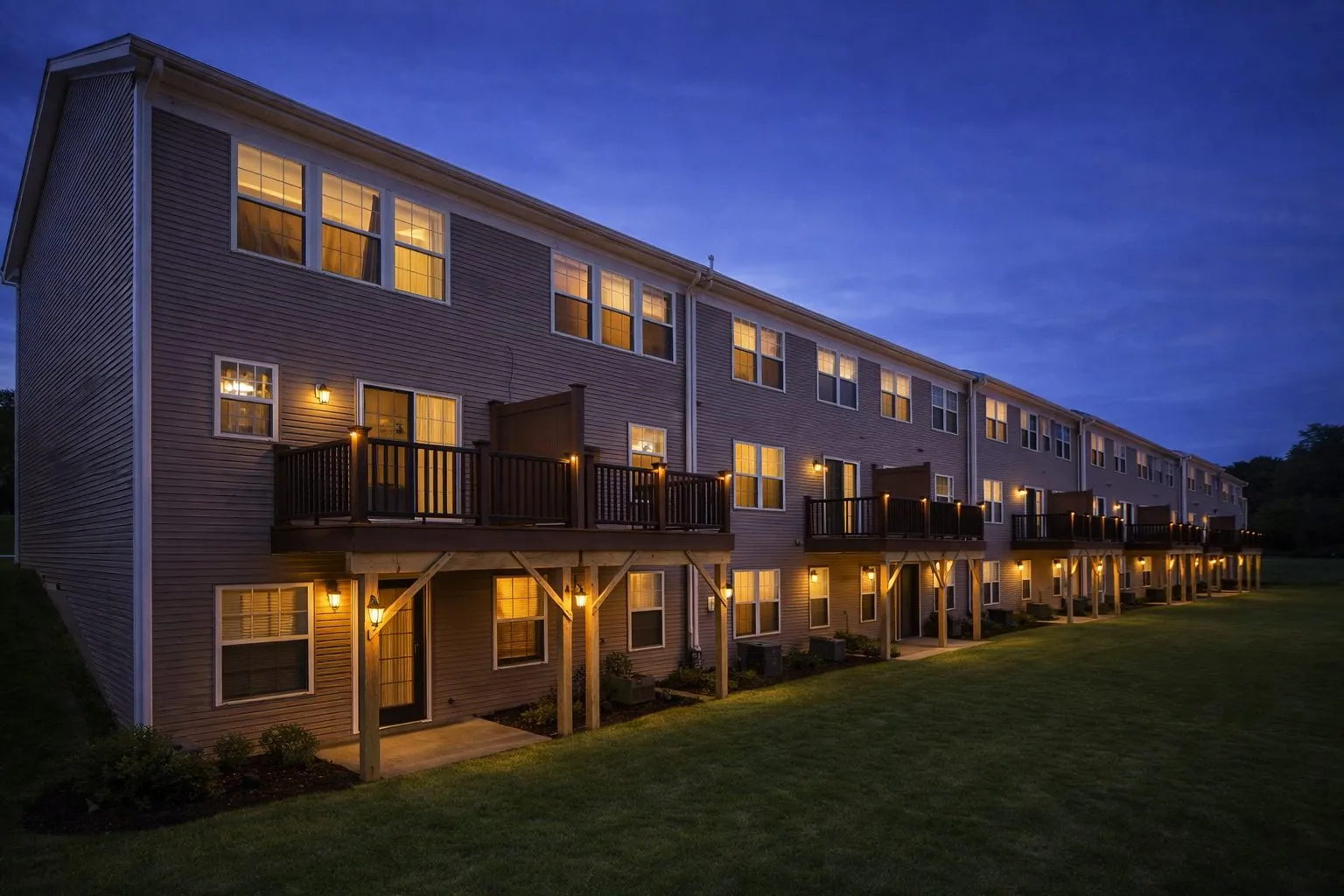
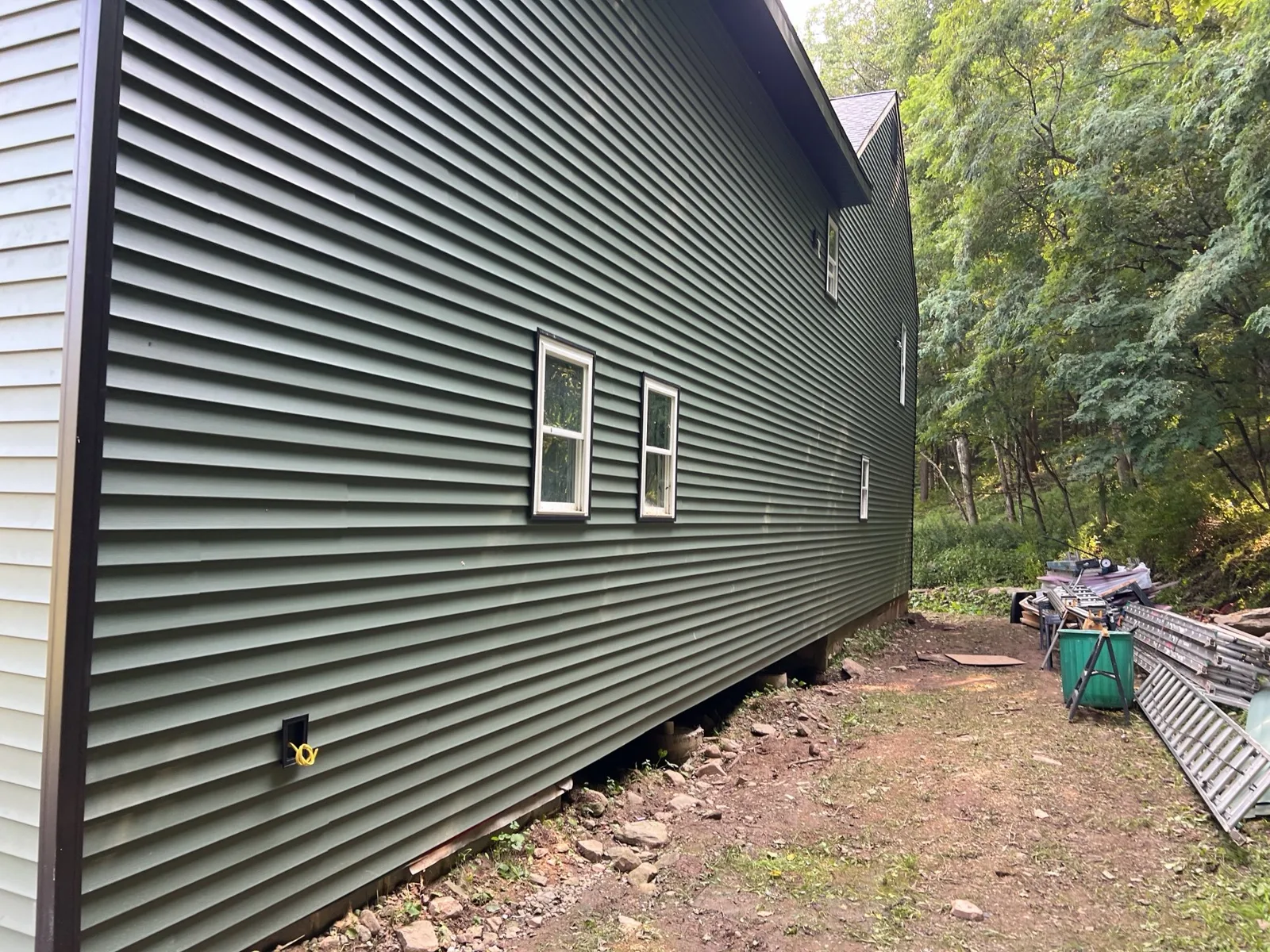
Vinyl siding is one of the most widely used exterior materials on homes, townhomes, and apartment communities. It is affordable, available in a wide range of colors and styles, and requires very little maintenance compared with wood.
Like any exterior material, though, vinyl siding performs best when it is installed correctly and inspected from time to time.
Benefits of Vinyl Siding
- Lower material and installation cost than many other siding options
- Color runs through the material, so it never needs painting
- Will not rot and is not affected by insects
- Easy to clean with a soft brush and garden hose
- Damaged sections can often be replaced without redoing an entire wall
Insulated vinyl siding, which has a rigid foam backing, adds rigidity and can improve the energy performance of the wall.
Why Installation Matters
Vinyl expands and contracts with temperature changes. It must be hung loosely enough to move, with nails placed correctly and room left at the ends of panels and inside trim channels. Siding that is nailed too tightly can buckle and ripple in warm weather.
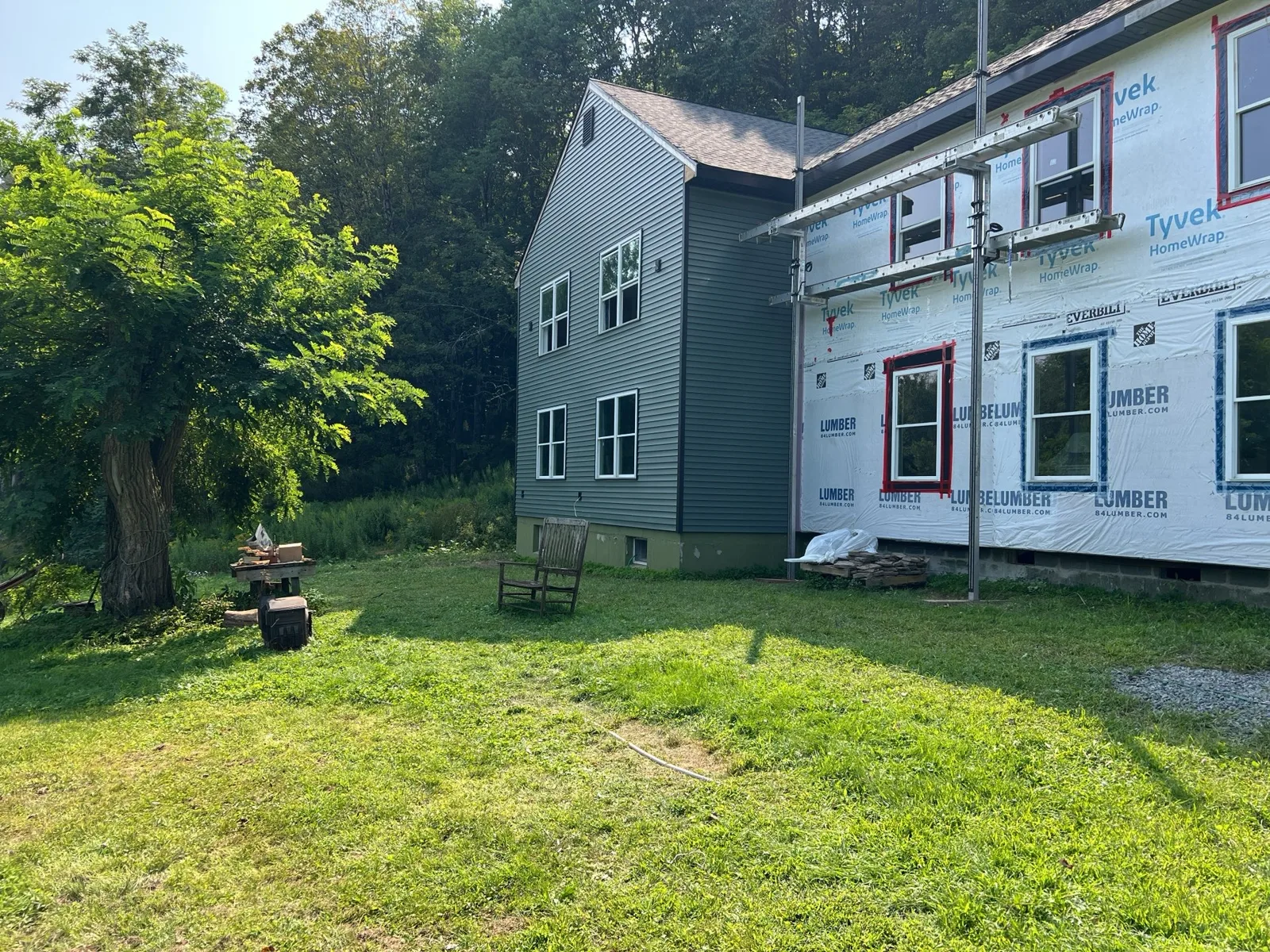
Behind the siding, a weather-resistant barrier and proper flashing at windows, doors, and roof lines do the real work of keeping water out. Vinyl siding sheds most water, but it is not waterproof on its own.
Common Vinyl Siding Problems
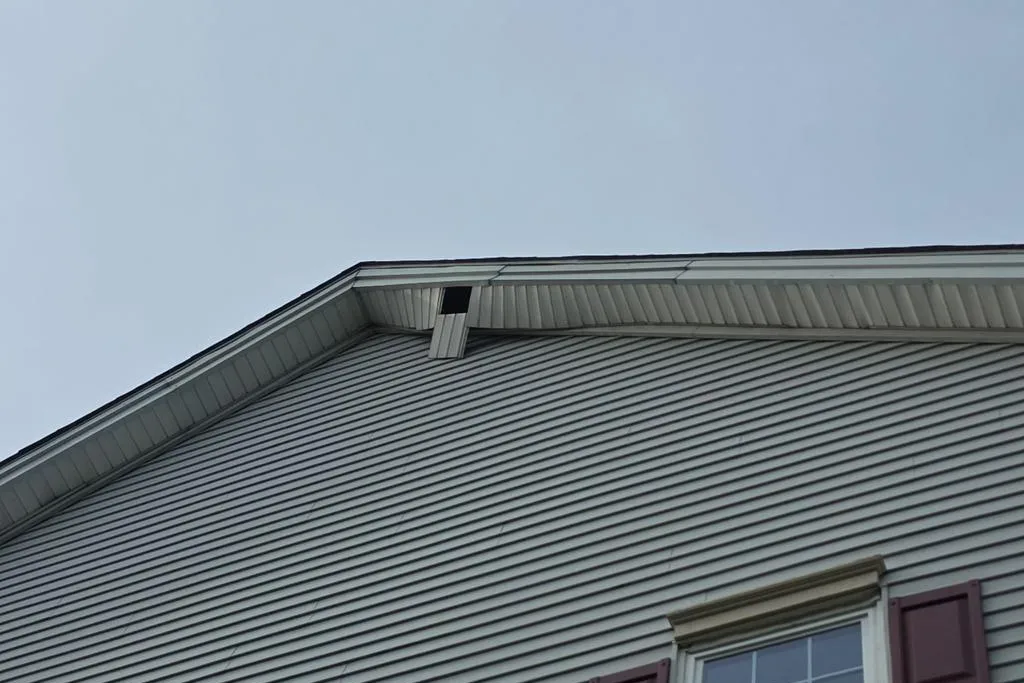
- Cracked or broken panels from impact or cold-weather damage
- Warped or melted areas, sometimes caused by heat reflected from nearby windows or grills
- Loose or missing panels after wind storms
- Buckling or waviness from improper installation
- Fading, chalking, or uneven color on older siding
- Mildew or algae growth on shaded walls
Simple Maintenance Tips
Wash vinyl siding periodically with a soft brush and a mild cleaning solution, rinsing from the top down. If you use a pressure washer, keep the pressure low and spray straight on or downward. Spraying upward can force water behind the panels.
Keep grills and other heat sources away from siding, trim back shrubs and trees that rub against walls, and check after storms for loose or damaged panels.
When to Replace Vinyl Siding
Isolated damage can usually be repaired. Replacement may make more sense when:
- Damage is widespread or keeps returning
- The siding is brittle, badly faded, or no longer matches available colors
- There are signs of moisture or rot in the wall behind the siding
- You want to improve energy efficiency with insulated siding or new house wrap
- The building’s appearance needs a meaningful update
Vinyl or Fiber Cement?
Vinyl siding is generally more affordable and easier to maintain. Fiber cement offers a heavier, more substantial look and greater resistance to impact and heat. Both can perform well when properly installed.
Protect Your Property with Add Ventures
Add Ventures repairs and replaces vinyl siding for homeowners, associations, and multi-unit properties. Our team can evaluate your siding, find the source of any moisture or damage, and recommend repairs or replacement options that fit your property.
Built on Integrity. Committed to Quality.
Questions about your property? Call the office at 845-357-7134 or send us a request.